
Student skills need to evolve to match new AI society
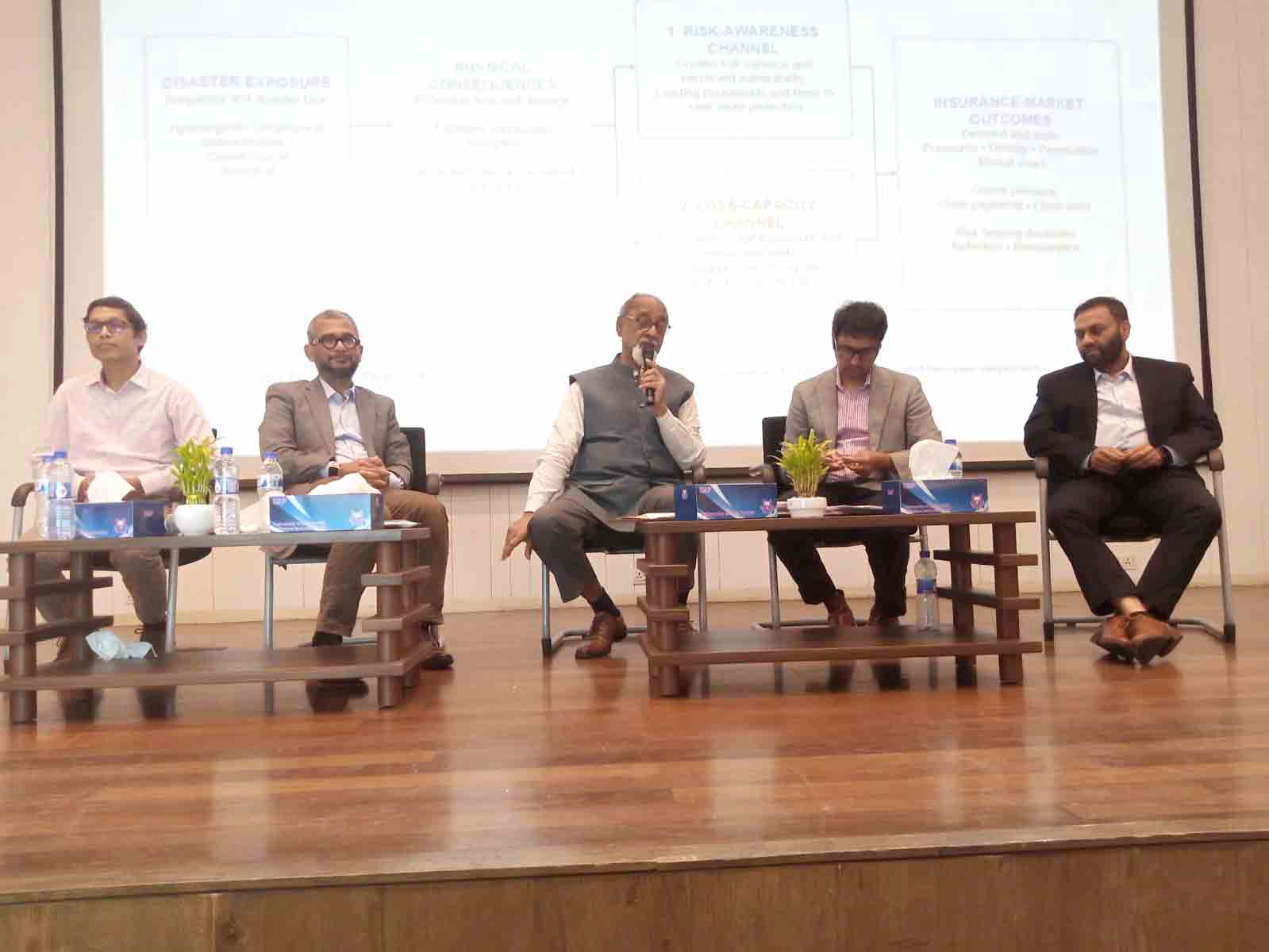
DHAKA, September 3, 2026 — Student skills need to evolve to match our new AI society, experts said at a research seminar on contemporary issues in finance held at the University of Asia Pacific (UAP) auditorium in the city.
The seminar brought together academics and researchers from Bangladesh and abroad to discuss the growing impact of artificial intelligence, climate risks, ethics and emerging technologies on financial decision-making and business growth.
Organised at the UAP Auditorium on Wednesday evening (September 2), the research seminar focused on “Contemporary Issues in Finance”, highlighting how technological transformation is reshaping the finance sector and creating new demands for university graduates.
The event featured four academics and researchers who presented their research and shared insights with students and faculty members.
Dr. Moshfique Uddin, Professor and Chair in Financial Management at the University of Leeds, UK, and Visiting Professor at UAP, addressed issues surrounding modern financial management and the changing requirements of the profession.
Dr. Hafiz Hoque, Professor of Accounting and Finance at Swansea University, UK, and Visiting Professor at UAP, also took part in the seminar.
Other speakers included Dr. Mohammad Shams Tabrize Pathan, Professor of Finance at the German International University, Egypt, and Dr. Suborna Barua, Visiting Research Fellow at the University of Leeds and Professor at the University of Dhaka.
The research presentations covered several emerging areas in finance, including “Artificial Intelligence Investment and Firm Growth Strategy,” “AI Meets Banks: The Key to Reducing Risks,” and “Insuring in a Riskier World: How Climate Risk Reshapes Insurance Market Dynamics.”
The seminar also placed emphasis on integrating ethics into financial decision-making, underscoring the importance of responsible professional practices as artificial intelligence and other technologies become increasingly embedded in financial institutions.
The discussions highlighted the need for universities to prepare students not only with conventional academic knowledge but also with skills relevant to an AI-driven economy. Critical thinking, ethical judgment, technological literacy, research capabilities and the ability to adapt to rapidly changing professional environments are becoming increasingly important for graduates.
For students pursuing finance, accounting and business-related disciplines, the discussions offered insights into how AI could transform traditional roles while creating new opportunities across banking, investment, insurance and corporate management.
