
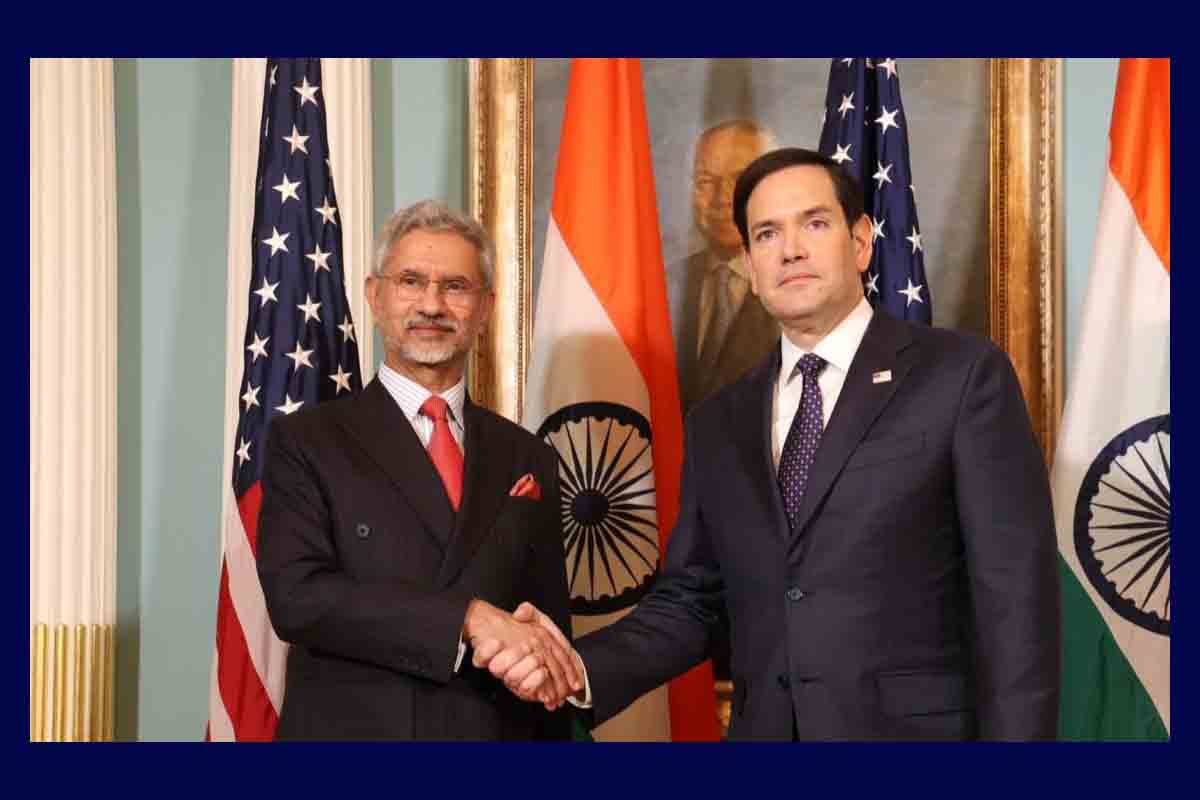
US-India ties advance amid differences over Russia sanctions and energy security
NEW YORK, Sept 23: US Secretary of State Marco Rubio and Indian External Affairs Minister S Jaishankar discussed the US-India strategic partnership, developments in the Middle East and potential sanctions against countries maintaining economic ties with Russia and Iran during a meeting in New York on Wednesday.
The meeting took place on the sidelines of the 81st session of the United Nations General Assembly.
According to a readout issued by the US State Department, the two officials reaffirmed the continuing importance of the US-India strategic partnership in promoting a “safe, secure and prosperous” Indo-Pacific.
They also exchanged views on developments in the Middle East and other regions, while discussing possible US sanctions against states that engage economically with Russia and Iran.
Rubio emphasised that the United States remains well positioned to assist regional partners in addressing their energy security challenges.
The meeting comes amid growing international attention to US measures targeting countries that maintain energy and other economic ties with Russia. India has been among the major buyers of Russian crude and has repeatedly stressed the importance of securing energy supplies through diversified sourcing.
Jaishankar later said he had reiterated India’s interests and concerns regarding the Sanctioning Russia and Iran Act (SRIA). He also said the two sides discussed the situations in the Gulf and Ukraine.
Rubio, in his account of the meeting, highlighted continued US-India coordination on key regional priorities and upcoming multilateral engagements.
The talks underline the effort by Washington and New Delhi to maintain strategic cooperation while managing differences over Russia-related sanctions, energy security and broader geopolitical developments.
