
Algeria’s National Mujahid Day Commemorated in DhakaAlgeria’s National Mujahid Day Commemorated in DhakaAlgeria’s National Mujahid Day Commemorated in DhakaAlgeria’s National Mujahid Day Commemorated in DhakaAlgeria’s National Mujahid Day Commemorated in DhakaAlgeria’s National Mujahid Day Commemorated in DhakaAlgeria’s National Mujahid Day Commemorated in DhakaAlgeria’s National Mujahid Day Commemorated in DhakaAlgeria’s National Mujahid Day Commemorated in DhakaAlgeria’s National Mujahid Day Commemorated in DhakaAlgeria’s National Mujahid Day Commemorated in DhakaAlgeria’s National Mujahid Day Commemorated in DhakaAlgeria’s National Mujahid Day Commemorated in DhakaAlgeria’s National Mujahid Day Commemorated in DhakaAlgeria’s National Mujahid Day Commemorated in DhakaAlgeria’s National Mujahid Day Commemorated in DhakaAlgeria’s National Mujahid Day Commemorated in Dhaka
DHAKA, August 20, 2026: Algerian diplomats highlighted the strong historical ties and shared spirit of resilience between the two nations, drawing parallel lines between Algeria's liberation movement and Bangladesh's 1971 Liberation War.
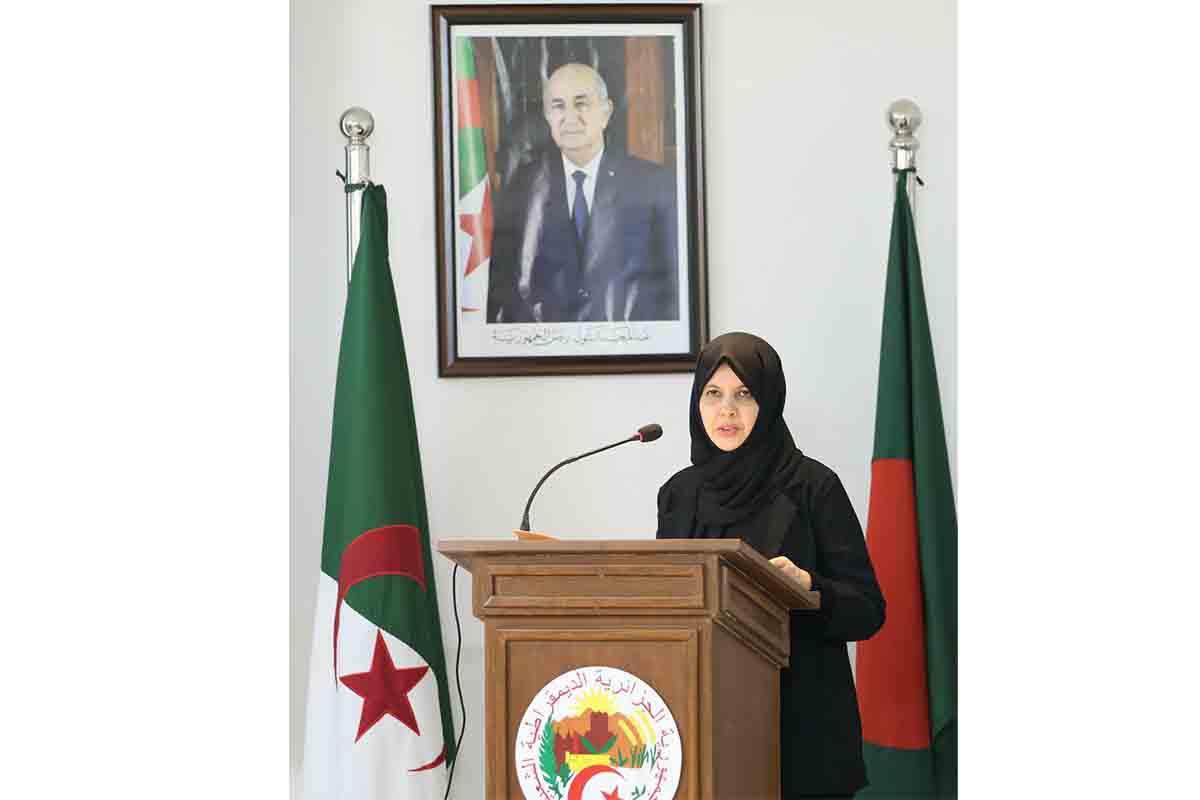
The remarks were made during a commemoration ceremony for National Mujahid Day, held at the embassy premises on Thursday.
During the event, the Embassy of Algeria in Dhaka recalled the historic August 20, 1955 North Constantine Offensive and the August 20, 1956 Soummam Congress.
The commemoration was held in the presence of freedom fighters, journalists, business leaders, members of the Algerian community and embassy officials.
Speaking on behalf of Algerian Ambassador to Bangladesh Dr Abdelouahab Saidani, Charge d’affaires of the embassy Basma Bentaleb said the two historic events represented decisive milestones in Algeria’s struggle for independence from French colonial rule.
This year’s theme, “We Follow in Their Footsteps of Struggle,” was described as a reflection of the enduring values of loyalty, unity and sacrifice associated with Algeria’s liberation movement.
The speaker said the two August 20 milestones were closely connected and represented a strategic progression in the Algerian Revolution. The 1955 North Constantine Offensive, led by Zighout Youcef, demonstrated broad popular support for the National Liberation Front (FLN), helped ease military pressure on the Aurès region and expanded the liberation struggle across Algeria.
The offensive also contributed to bringing the Algerian question to greater international attention, including at the United Nations.
A year later, the Soummam Congress of August 20, 1956, provided an institutional and political framework for the revolution. It helped unify military ranks, established political guidance and laid important foundations for the future Algerian state.
The congress also contributed to the organization of the National Liberation Army (ALN), divided the country into six historical wilayas and established key political institutions, including the National Council of the Algerian Revolution (CNRA) and the Committee of Coordination and Execution (CCE).
According to the speech, these developments demonstrated to France and the international community that Algeria’s liberation movement had broad popular backing, strategic direction and institutional capacity.
Of particular significance in Dhaka, the Algerian side highlighted structural parallels between Algeria’s liberation struggle and Bangladesh’s independence movement.
The speaker said both struggles were shaped by systemic inequality and cultural suppression and followed the failure of political avenues to resolve fundamental grievances. Both, the speaker noted, ultimately developed into broad-based popular movements involving people from different sections of society.
The comparison carries particular diplomatic significance in Bangladesh, where the Liberation War of 1971 remains central to the country’s national identity and foreign-policy outlook.
The Algerian embassy said the legacy of August 20 continues to influence Algeria’s contemporary national identity and international relations. The principles of sovereignty, national unity and the right to self-determination, rooted in the country’s liberation struggle, continue to shape Algeria’s positions on major international issues, including Palestine and Western Sahara.
The speech also emphasized that the August 20 anniversary remains an important part of Algeria’s collective memory and serves as a moral reference for younger generations in defending national sovereignty.
The commemoration concluded with a tribute to Algeria’s fallen freedom fighters and a reaffirmation of the enduring values of unity, sacrifice and self-determination that shaped the country’s independence struggle.
For Bangladesh, the commemoration also provided an opportunity to reflect on the shared historical experiences of two nations whose independence movements emerged from struggles against political, cultural and structural domination.
