
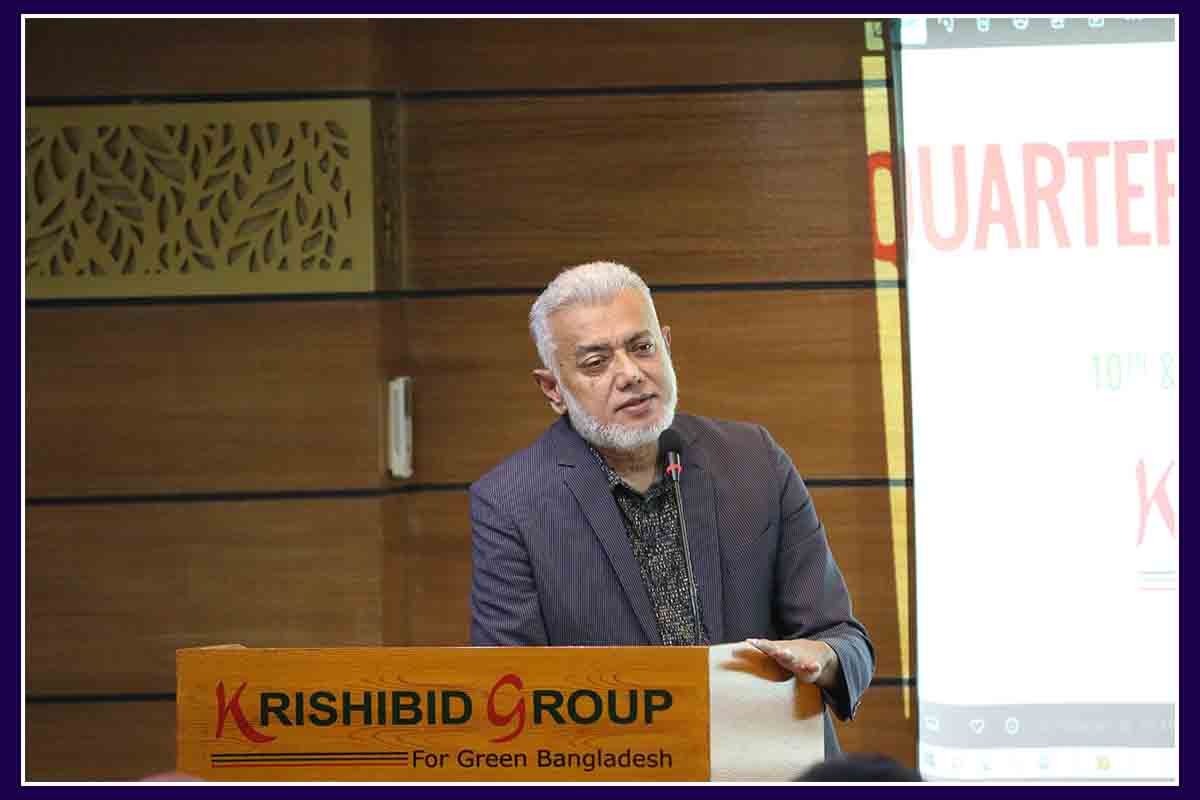
Calls for DAP Reform, Lower Taxes for Housing Sector
Newly elected Real Estate and Housing Association of Bangladesh (REHAB) President Dr. Ali Afzal said new housing projects have come to a halt due to the Detailed Area Plan (DAP) restrictions and high taxation.
Dr. Afzal shared these insights during an exclusive interview with The Shuttle Times.
He said the country’s housing sector is currently facing a stagnant situation.
Dr. Ali Afzal, newly elected President of the premier trade organization and only recognized representative body for private real estate developers in Bangladesh, shared these views in a special interview with The Shuttle Times.
To prevent the unplanned urbanization, protect wetlands and ensure a more livable and organized city infrastructure the government introduced the Detailed Area Plan (DAP) in 2022.
Dr. Ali Afzal said, “RAJUK prepared the strategic document. It outlines how land should be used in and around Dhaka.”
It designates specific zones for residential, commercial, industrial and agricultural use, as well as how many stories can be built in which areas, he said.
Dr. Afzal claims that these restrictions are negatively impacting the housing business. Developers cannot construct buildings exceeding eight to ten stories under DAP restrictions.
Industry insiders said that the number of new real estate projects in Dhaka has declined by 30–40 percent due to DAP restrictions and rising construction costs. Meanwhile, construction costs have increased at least 50 percent.
The newly elected president stated that delays and complications in obtaining project approvals from RAJUK have made it increasingly difficult for developers to survive.
He said he is continuing meetings and dialogues with government authorities to improve the situation.
REHAB President Dr. Afzal reiterated that pro-development reforms are the only viable solution to improve the current situation.
He shared a positive outlook for the government stating the pro-development policies could generate huge revenue for the government through multiple channels.
However, he emphasized the need for a transparent business environment where developers can operate easily without being forced to pay bribes.
Providing a specific example, he noted that some RAJUK officials seek bribes through various means.
Dr. Afzal called on the government to ensure security and protection for REHAB members so they do not face harassment or trouble from corrupt officials.
On the other hand, he called for a reduction in the taxation to a single digit, including the duties on imported raw materials for construction products.
Dr. Ali stated, “We will demonstrate how the state will benefit and could earn more revenue from this sector by implementing real estate–friendly policy support.”
He suggested increasing the official service fees for RAJUK in exchange for ensuring security, specifically so that the businessmen are not forced to make any unofficial payment outside of a transparent fee chart.
The president also recommended the digitalization of RAJUK management, documentation and filing system. This would allow developers and stakeholders to track filing updates in real time.
Furthermore, he urged the government to reduce land and apartment registration fees. He argued that lower costs would encourage more people to register their properties, ultimately resulting in a massive increase in total government revenue.
On the other hand, the new president called for reducing the corporate tax to foster investment-friendly environment, which would subsequently drive business activities and investment.
He stated, “Developer companies would be able to reduce apartment prices, providing customers with a better opportunity to buy an apartment.”
To transform the housing sector into a more dynamic economic driver, Dr. Afzal proposed several fiscal reforms:
| Proposal | Objective |
| Single-Digit Tax | Reducing duties on imported raw materials and corporate taxes to boost investment. |
| Reduced Registration Fees | Lowering land and apartment registration costs to encourage legal documentation and increase total government revenue. |
| 9% Interest Cap | Ensuring long-term home loans stay at or below 9% to make housing accessible for the middle class. |
