
Flat Prices Stay Stable
Real Estate and Housing Association of Bangladesh (REHAB) President Dr. Ali Afzal demanded that apartment prices in Bangladesh have not increased despite a 5–10 percent rise in construction material costs in the real estate market.
He shared insight into the reasons behind these static prices of housing sector, strategies to reduce housing costs and a visionary plan to develop wire-free cities in Bangladesh to enhance urban aesthetics and safety.
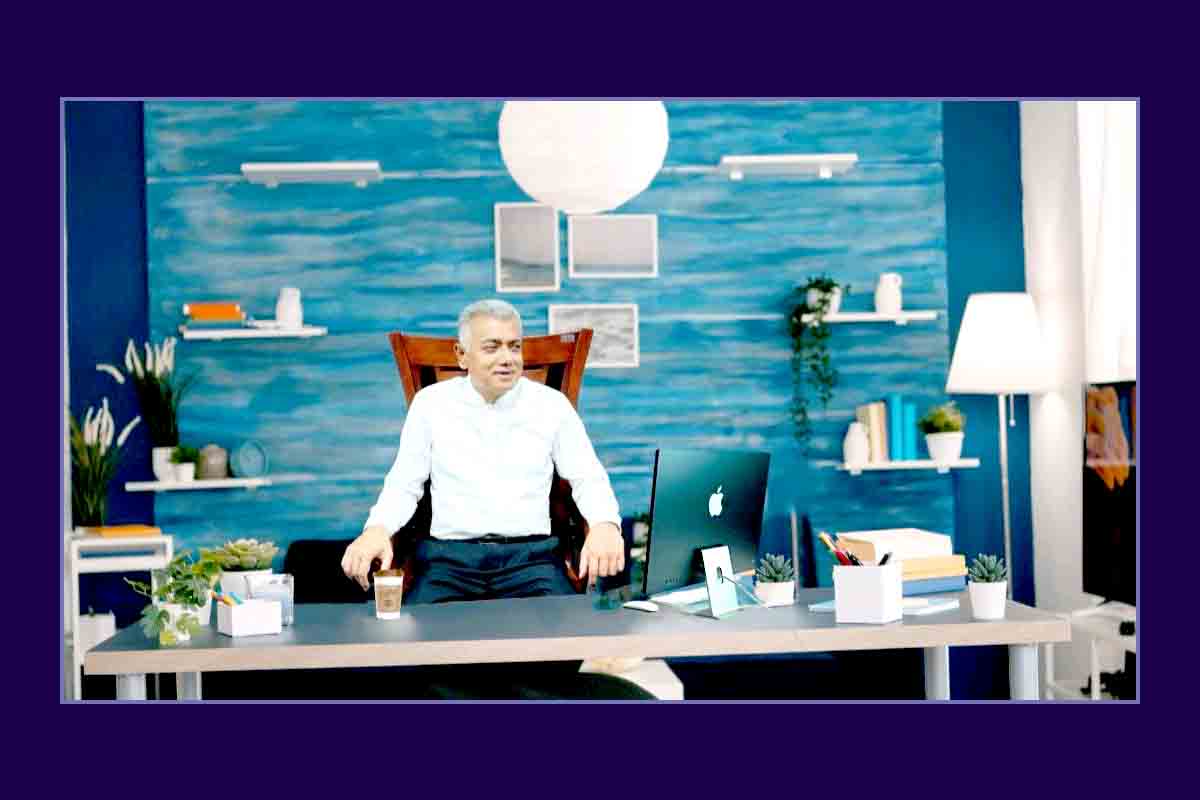
Newly elected President Dr. Afzal shares his views in a special interview with The Shuttle Times after getting his official charge.
During the conversation, Dr. Afzal highlighted the rising costs of essential materials.
He noted that cement prices have risen by Tk 5-10 per bag while the price of iron has surged by Tk 15,000-20,000 per ton. Additionally, land prices continue to climb daily.
"Despite these rising costs, developers have not increased apartment prices due to a highly competitive market," he explained.
He noted that most projects were sold out prior to completion, with sales deeds finalized before the recent price hikes, leaving little room for price adjustments.
Moreover, many reputed companies are striving to sell their apartments in previous rates due to maintain their brand image.
Given the current situation, the REHAB President has requested a reduction in import duties for construction raw materials.
According to Dr. Afzal, planned urbanization, development outside Dhaka and permission for buildings above 20 stories is key to reducing housing costs.
He emphasized that the government must decentralize urbanization and improve communication and infrastructure in the outskirts of the capital.
Dr. Ali stated, “The government should allow buildings to be taller than 12 stories; this would lower the land-to-apartment cost ratio, making housing more affordable.”
He urged the government to focus on extending development to adjacent areas including Savar, Gazipur, Munshiganj, Narayanganj and Tangail.
“Parallel rail and bus communication networks must be smoothed out so people can commute to Dhaka city and return home easily on a daily basis, he added.
Furthermore, he called for permission to construct buildings exceeding 20 stories within the main capital city areas.
Using a specific example, he noted that if commercial hubs like Motijheel allowed to 20 stories developments, then the demand for office and residential spaces would be met more efficiently. As a result, he concluded, the immense pressure on land would be reduced.
The call to protect agricultural land, highlighted by the President of REHAB, is a critical issue in the context of modern-day Bangladesh.
Despite being an agrarian nation, vast amounts of fertile land are lost every year to unplanned urbanization and horizontal construction.
Dr. Afzal warned that this trend poses a significant threat to the country's long-term food security.
According to him, solving the housing crisis must not come at the expense of haphazardly destroying farmland.
Instead, he placed special emphasis on vertical development and multi-story buildings.
The current trend of horizontal expansion in both cities and villages wastes a disproportionate amount of land.
By promoting planned vertical growth, it is possible to provide housing for a much larger population on limited land, effectively shielding agricultural areas from encroachment.
Furthermore, planned urbanization allows for the preservation of arable land, water bodies, and forests. The successful implementation of this vision relies on the strict enforcement of government policies and the conscious cooperation of real estate entrepreneurs.
This visionary proposal from the REHAB President offers a timely and practical roadmap for achieving Sustainable Development Goals (SDGs), ensuring that future generations have access to both adequate food and secure shelter.
The concept of a "wireless city"—a modern urban environment free from the visual pollution of overhead cables—is gaining significant traction in urban planning.
Dr. Afzal is a leading proponent of constructing underground utility tunnels to give cities a clean, aesthetic look by removing the chaotic web of hanging wires.
He strongly advised against the frequent digging of roads, proposing instead a Common Duct System.
Under this arrangement, a single permanent underground duct is built, allowing various service providers to run their fiber optic, electricity, and telephone cables through it without disturbing the road surface.
Dr. Afzal urged city corporations and urban authorities to enforce strict regulations to prevent service providers from using lampposts or running cables across public roads.
"When we travel abroad, we don't see wires hanging over the streets. If they can achieve this, why can't we?" he questioned.
He suggested that the primary obstacles are not financial, but rather the lack of willpower and resistance from certain vested interests.
He emphasized that the government would not need to spend significantly to make this successful; it simply requires strong policy support and political determination.
Addressing the challenges within the housing sector, Dr. Afzal noted, "In the housing industry, we design buildings with centralized connections for satellite TV, internet, and telephone. However, service providers still hang their cables haphazardly."
He pointed out a governance gap: once a building is handed over to the owners, developers no longer have authority over its maintenance.
He concluded that if apartment owners' associations collectively demand these underground services, it would create the necessary pressure on the government to modernize urban infrastructure.
Summary of Key Proposals
| Category | Proposed Action |
| Taxation | Lower import duties on construction raw materials. |
| Urban Policy | Allow 20+ story buildings in commercial hubs like Motijheel. |
| Infrastructure | Implement a "Common Duct System" for underground utilities. |
| Agriculture | Enforce strict "Vertical Expansion" to save rural farmland. |
| Connectivity | Enhance rapid transit between Dhaka and adjacent districts. |
