
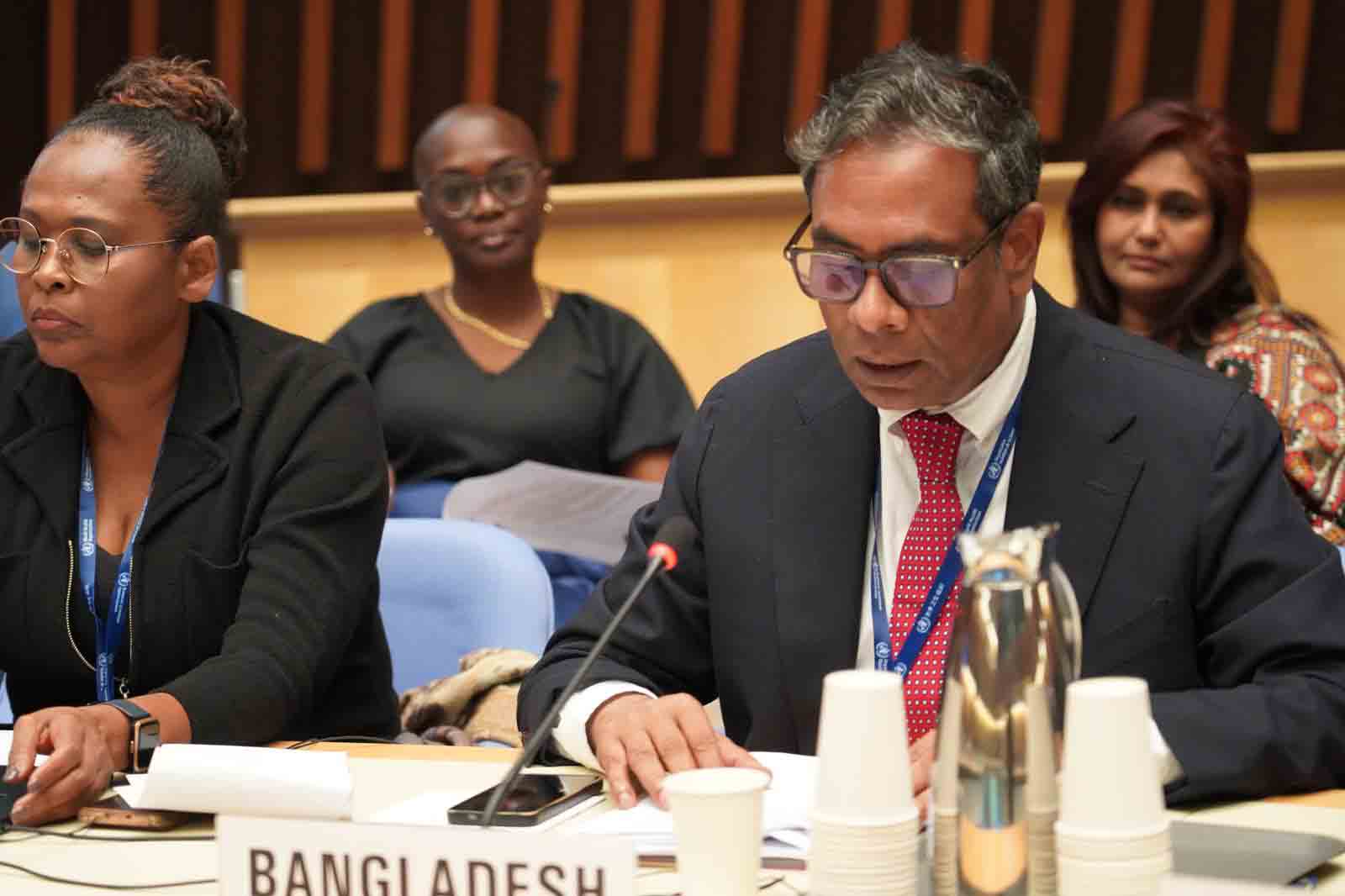
Bangladesh leads cervical cancer prevention drive
Bangladesh has earned international recognition for its significant progress towards eliminating cervical cancer, following the successful implementation of a nationwide Human Papillomavirus (HPV) vaccination campaign targeting adolescent girls.
The recognition came through a newly published report titled “Compendium of Case Studies on Cervical Cancer Elimination”, unveiled by the Commonwealth Secretariat during the inaugural Commonwealth Health Coordination Forum 2026 held in Geneva.
The report praised Bangladesh for introducing a single-dose HPV vaccination programme aimed at protecting girls aged between 10 and 14 from cervical cancer. In the first phase launched in October 2023, more than 1.5 million girls in Dhaka Division received the vaccine.
The second phase of the campaign began nationwide in October 2024 with a target to vaccinate over 6.2 million girls across the country’s remaining divisions.
Bangladesh was represented at the forum by MA Muhith.
Prepared jointly by Commonwealth member states and Roche Diagnostics, the report was presented before health ministers, global experts and development partners attending the forum.
The publication highlighted experiences from 12 Commonwealth countries that are advancing cervical cancer elimination through vaccination, screening, treatment and healthcare services despite financial limitations and widening health inequalities.
Bangladesh’s case study particularly focused on its nationwide single-dose HPV vaccination programme conducted during 2023–2024 and the use of a digital tracking system to improve follow-up and programme monitoring.
Other countries including Australia, Belize, Fiji, Kenya, Nigeria, Malaysia and Zambia were also recognised for expanding cervical cancer prevention and treatment initiatives.
Zambia’s “single-visit screen-and-treat” model integrated with HIV healthcare platforms drew special attention at the forum.
In a message delivered at the event, Mohamed Irfaan Ali stressed the importance of international collaboration in eliminating cervical cancer.
“No single country can eliminate this cancer alone. Therefore, deeper collaboration across the Commonwealth and beyond is essential,” he said.
Alongside the report, a “Cervical Cancer Advocacy Toolkit” was also launched to assist First Ladies and spouses of heads of government in promoting awareness about the disease.
Shirley Botchwey said First Ladies could play an influential role in shaping public awareness and encouraging action on critical social issues.
“By placing women’s health, equality and dignity at the centre of national priorities, we can move towards a future where no woman dies from a preventable disease,” she said.
Forum Chair Leslie Ramsammy emphasised the need for stronger national cancer control plans, improved early detection systems and better access to treatment and palliative care.
The forum, organised ahead of the 79th World Health Assembly under the theme “Shaping the Future of Cancer Across the Commonwealth,” also discussed financing mechanisms for cancer care and safeguarding services under universal health coverage.
Jeremy Farrar said cancer prevention, protection and treatment must be treated as interconnected priorities.
“Health systems must become equitable and accessible for everyone,” he observed.
The forum will conclude on May 20 with a special session on youth mental health jointly organised by the Commonwealth Secretariat and the World Federation of the Sporting Goods Industry.
Recommendations from the forum will later be placed before future meetings of Commonwealth Health Ministers under the Commonwealth Strategic Plan 2025–2030.
