
Bangladesh prioritizes solar energy for sustainable development.
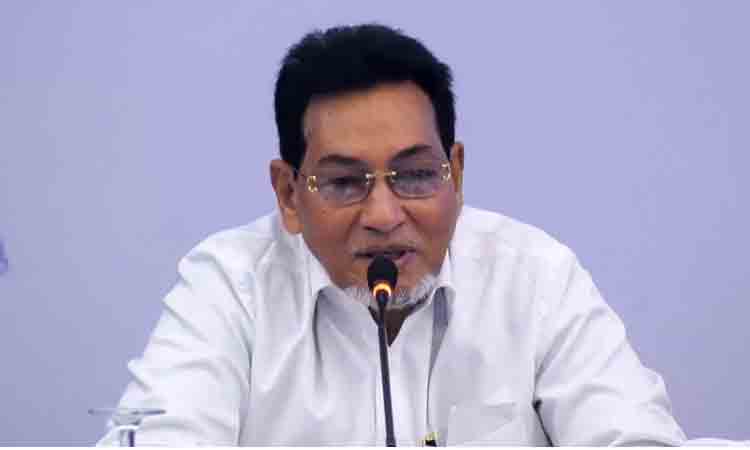
Chief Whip of Parliament Nurul Islam Moni today said the government is placing the highest priority on renewable energy as
part of its broader goal of transforming Bangladesh into a humanitarian welfare state.
"Renewable energy, particularly solar power, would play a crucial role in building the foundation of a sustainable and welfare-oriented economy," he
said.
The Chief Whip made the remarks while speaking at a dialogue organised by the Centre for Policy Dialogue (CPD) in the capital.
Prime Minister Tarique Rahman is working relentlessly to implement people-centric development programmes, especially for rural communities, and
renewable energy has become a key component of that effort, he said.
Nurul Islam Moni noted that solar energy initiatives began on a limited scale but the government now plans to expand solar systems across the country.
"We want to build the foundation of a welfare state, and renewable energy is one of the largest pillars of that foundation," he added.
Highlighting ongoing initiatives, he said the Prime Minister has directed all government offices and factories to install rooftop solar panels to increase
clean energy generation.
The JS Chief Whip also said a major programme is underway to convert irrigation pumps to solar-powered systems, which will help reduce electricity
demand and support farmers in rural areas.
Referring to the economic benefits of renewable energy, he urged industrialists to invest in the sector.
Moni said experts estimate that solar projects can recover investment costs within four years while continuing to generate electricity for many years
thereafter.
He said the government has already introduced various tax concessions to encourage investment in renewable energy and assured that the Power Division
would ensure taxation does not become an obstacle for entrepreneurs willing
to invest in the sector.
The Chief Whip also stressed the importance of learning from international experiences and innovations in renewable energy, noting that countries with
strong solar infrastructure were better able to withstand global fuel crises triggered by conflicts and geopolitical tensions.
Mentioning ongoing international cooperation, he said the Premier is currently visiting China, where a major agreement on solar energy is expected
to be finalized.
The agreement, he added, would strengthen Bangladesh's energy security and reduce vulnerability to fluctuations in global fuel markets.
Reaffirming the government's commitment to renewable energy despite resource constraints, the Chief Whip called on experts, stakeholders and citizens to
contribute ideas and knowledge to help build a prosperous, sustainable and energy-independent Bangladesh.
