
Integrity, competence key to a lawyer’s strength: Asaduzzaman
Law, Justice and Parliamentary Affairs Minister Md Asaduzzaman has said that humanitarian values, professional competence, integrity and commitment are essential for success in the legal profession.
“When a person in distress approaches a lawyer, they place their trust, hopes, expectations and dreams in the lawyer. Therefore, a lawyer's foremost duty is to present proper legal arguments on behalf of the client, regardless of their financial means, and discharge professional responsibilities with sincerity and dedication,” he said.
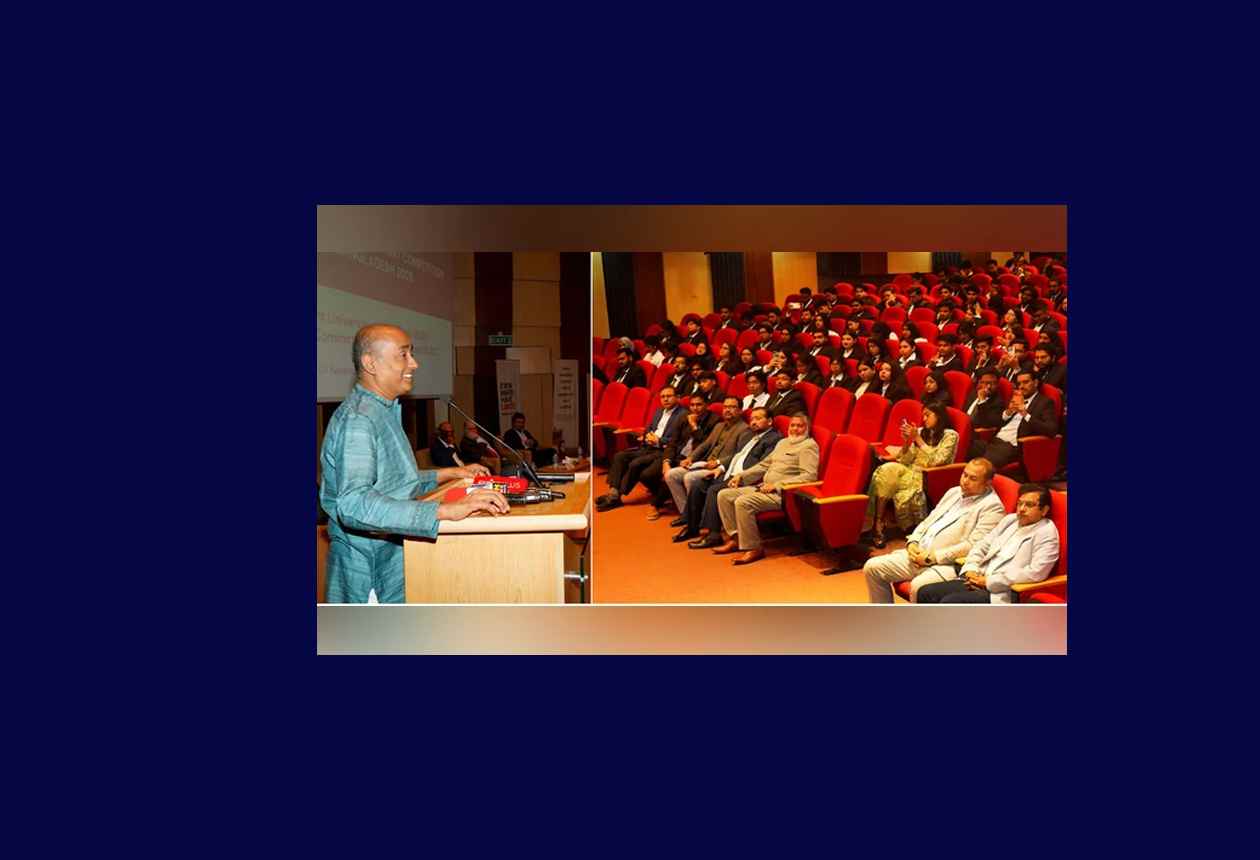
The law minister said this while addressing the inaugural ceremony of the 17th Henry Dunant Memorial Moot Court Competition 2026 on International Humanitarian Law at IUB auditorium at Bashundhara today.
The International Committee of the Red Cross (ICRC) and IUB jointly organised the competition.
Md Asaduzzaman said the legal profession is highly challenging and requires more than a focus on earning money. It demands full-time commitment, professionalism, perseverance and research.
“Every word and argument carries significance in court, requiring lawyers to prepare through proper research and present accurate information and strong legal arguments. A lawyer should focus not on how much a client pays in fees, but on whether they can present proper legal arguments in the client's favour,” he added.
Describing standing beside disadvantaged people and providing them with free legal assistance as the professional zakat of lawyers, Md Asaduzzaman said humanitarian values and a sense of responsibility must be given the highest priority in the legal profession.
Calling upon the younger generation, the law minister said every generation has its own dreams, expectations and responsibilities. The Liberation War, the mass uprising of 1990 and the mass uprising of 2024 reflected the aspirations and responsibilities of different generations, he said.
He urged young people to take the lead in the country with their talent, wisdom, reasoning, hard work and commitment, and work to build a livable world for future generations.
IUB Vice-Chancellor Prof M Tamim chaired the programme. Chairman of the university's Board of Trustees Didar A Hossain, ICRC Head of Delegation in Bangladesh Nicolas Flury and Adviser to IUB's School of Law Prof Borhan Uddin Khan also spoke.
A total of 29 teams from 29 universities across the country submitted memorials containing written legal arguments and research papers for the competition. Of these, 16 teams will advance to the quarter-finals.
The moot court competition allows students to learn about international humanitarian law and humanitarian protection during armed conflicts, as well as develop their skills in legal application, research, analysis, and argumentation.
