
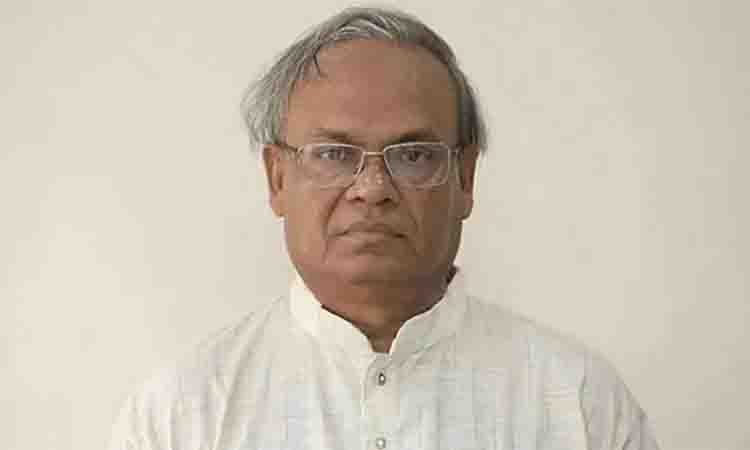
Rizvi says November 7 spirit inspired July 2024 uprising.
BNP Acting Secretary General Advocate Ruhul Kabir Rizvi said November 7, 1975, was a historic day for safeguarding the country's independence and restoring democracy, as soldiers and people took to the streets with a firm commitment to protecting national sovereignty and democratic rights.
He made the remarks in a message issued today marking National Revolution and Solidarity Day.
Rizvi said the then ruling group, after independence, jeopardised the country's sovereignty to serve its own interests. Freedom of expression was curtailed, and a one-party system was introduced, paving the way for widespread misrule.
He said all opposition political parties were banned, while the Bangladesh Krishak Sramik Awami League (BAKSAL) was formed as the sole political party. Newspapers carrying dissenting views were also shut down, plunging the country into unrest and instability.
Against this backdrop, conspirators on November 3, 1975, confined Shaheed President Ziaur Rahman, the proclaimer of independence, and his family members inside the cantonment, he said.
Rizvi said patriotic soldiers and people demonstrated unprecedented unity on November 7 to protect the country's independence, leading to Ziaur Rahman's release.
He said the subsequent developments strengthened Bangladesh's independence and sovereignty under Ziaur Rahman's leadership, restored democratic rights and freed people from restrictions on their civil liberties.
The day also marked the beginning of the country's journey towards multiparty democracy, bringing relief to the people and creating opportunities for increased production and economic prosperity, he added.
Rizvi said Ziaur Rahman was assassinated in 1981 by local agents of foreign powers who considered him an obstacle to their objectives. Although he embraced martyrdom, people inspired by his ideals remain committed to safeguarding the country's independence and democracy.
Referring to the past 17 years, the BNP leader said the fascist government had ruthlessly used state machinery to suppress freedom of expression and cling to power. Enforced disappearances, killings and extrajudicial killings in the name of crossfire became features of state repression, he added.
He also alleged that millions of BNP leaders and activists faced persecution, while Begum Khaleda Zia, the country's 'symbol of democracy', was imprisoned through fabricated cases.
Rizvi said a historic mass uprising took place in July 2024 through the courageous resistance of students and people, culminating in the fall of Sheikh Hasina on August 5.
He said the spirit of November 7 was the underlying driving force behind the July Revolution, adding that the historic uprising of soldiers and people in 1975 continues to hold immense significance in safeguarding the country's independence and democracy.
