
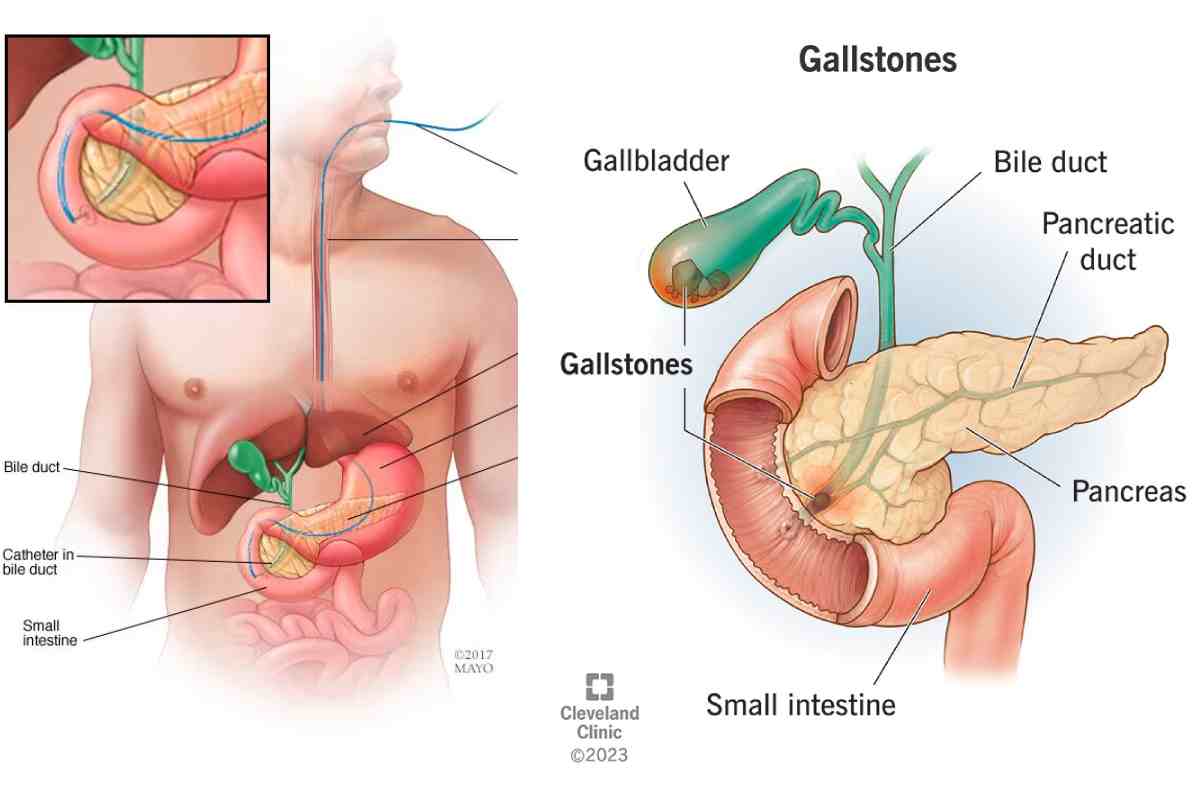
Gallstone Disease is known as Cholelithiasis as in medical terms. It is being recognized as a significant health concern across the Bangladesh. Traditionally considered more prevalent among the middle aged and older adult.
Gallstone Disease is known as Cholelithiasis as in medical terms. It is being recognized as a significant health concern across the Bangladesh. Traditionally considered more prevalent among the middle aged and older adult. But recent observation suggest that gallstone are affecting a wider range of age group, including children and young adult. This shift has important implication for diagnosis, treatment and public health strategies in Bangladesh.
Gallstone Disease occurs when solid particles, primarily cholesterol or bilirubin, aggregate to form stones within the gallbladder. These stone can lead to complication such as biliary colic, pancreatitis and choledocolithiasis if left untreated. The symptoms often include abdominal pain, nausea, vomiting and indigestion which can sometimes be mistake for other gastrointestinal disorders.
Available community based studies suggest that approximately 5% to 6% adult population studied had gallstones. Recent studies also shows there is a higher prevalence in females compared to males. 18-22 age group was 35.3% because of notably obesity and sedentary lifestyle. According to the National Library of Medicine the global overall prevalence of Gallstone disease population was 5.86%. Another research came that total 1019 persons were examined. 61 patients have found with gallstone. It is among the housewives and middle age group in Bangladesh.
We have seen that studies and clinical report now indicate a rise in gallstone disease in Bangladesh among the younger and middle aged group. Several factors contribute to this trend:
1. Dietary Changes: Urbanization and economic development have led to shifts in dietary patterns. Increased consumption of fried foods, high-fat diets, and fast food options contribute to cholesterol imbalance—an important risk factor for gallstone formation.
2. Obesity and Sedentary Lifestyle: Rising obesity rates among all age groups, including school-aged children, are linked to gallstone development. Sedentary lifestyles reduce bile flow, fostering gallstone formation.
3. Genetic and Ethnic Factors: Some populations in Bangladesh may have a genetic predisposition that increases gallstone risk, though more research is needed to clarify these links.
4. Healthcare Access and Diagnosis: Improved diagnostic facilities, especially in urban centers, have led to better detection rates. Previously undiagnosed cases in younger groups are now being identified more frequently.
The presence of gallstone across all age groups poses several challenges:
- Early Diagnosis: Symptoms in children and young adults may be vague or atypical, leading to delayed diagnosis and treatment.
- Healthcare Burden: Increased cases across age groups add pressure on healthcare infrastructure, requiring more resources for surgical interventions like cholecystectomy.
- Awareness and Prevention: Public knowledge about gallstone disease remains limited. There is a need for awareness campaigns focusing on lifestyle modification, healthy diets, and regular medical check-ups.
Addressing the rise of gallstone in Bangladesh necessitates a multifaceted approach:
- Research: Detailed epidemiological studies to understand age-specific risk factors and prevalence.
- Public Health Initiatives: Promoting healthy eating habits and physical activity through schools and community programs.
- Healthcare Training: Equipping healthcare professionals to recognize and manage gallstone disease in younger populations.
- Policy Support: Developing national guidelines for screening and treatment to optimize patient outcomes.
Gallstone is no longer a disease confined to older adults in Bangladesh; it is emerging as a common condition affecting all age groups. Recognizing this trend is critical to improving health outcomes. Through combined efforts in research, awareness, and healthcare delivery, Bangladesh can effectively manage this growing concern and reduce the burden of gallstone disease nationwide.
Name: S. M. M. MUSABBIR UDDIN
Session: 2020-21
UNIVERSAL MEDICAL COLLEGE
Reference:
1) https://apjsa.org/index.php/apjsa/article/view/17
2) https://www.academia.edu/97586349/Prevalence_and_Risk_Factors_of_Asymptomatic_Gallstone_Disease_in_North_East_Part_of_Bangladesh
3) https://pmc.ncbi.nlm.nih.gov/articles/PMC5578509/
