
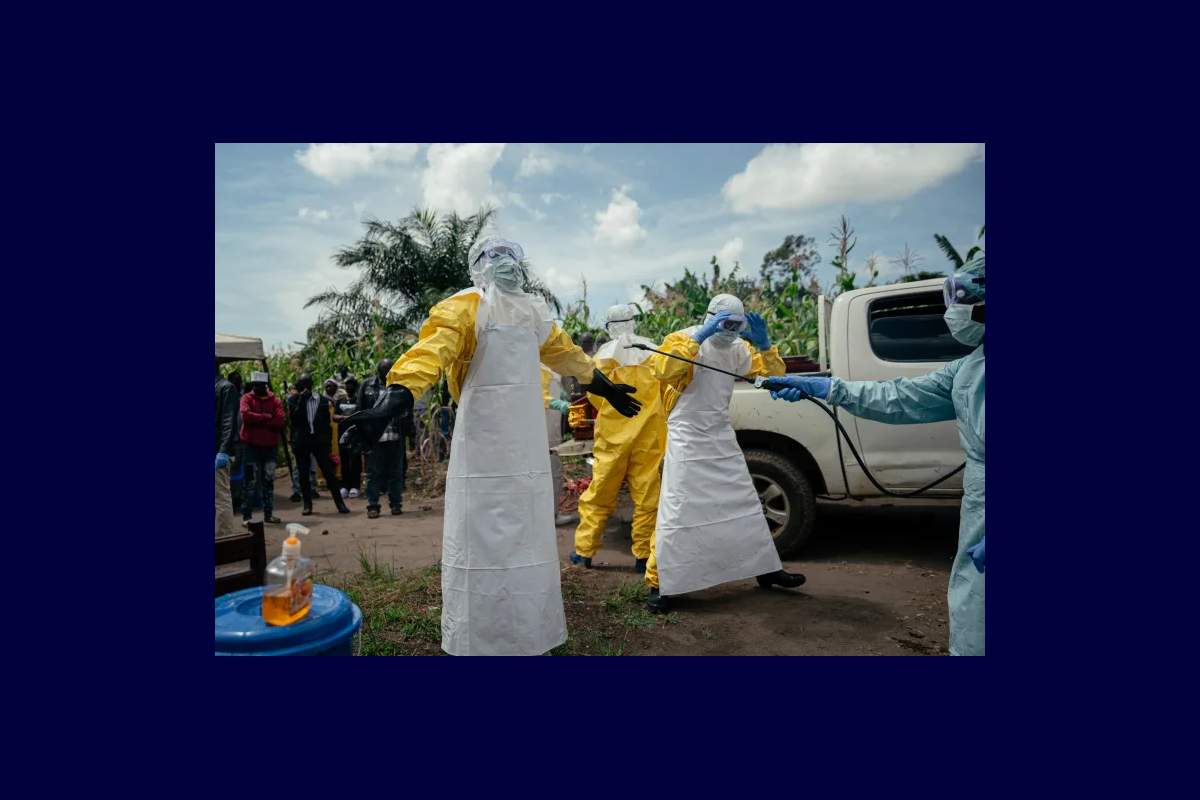
Ebola Virus Disease in Africa
Ebola virus disease (EVD) is a severe and potentially fatal infectious disease that has affected several countries in Africa. It is caused by viruses belonging to the Orthoebolavirus genus and can cause serious illness in humans and non-human primates.
Ebola outbreaks have repeatedly challenged public health systems because of their high case-fatality rates, the risk of transmission in healthcare and community settings, and the difficulties involved in controlling outbreaks in areas with limited healthcare resources.
Ebola virus disease was first identified in 1976 following outbreaks in what are now the Democratic Republic of the Congo and South Sudan. Since then, sporadic outbreaks have occurred mainly in Central and West Africa.
The largest and most devastating Ebola outbreak occurred in West Africa between 2014 and 2016, particularly affecting Guinea, Liberia and Sierra Leone. More than 28,000 cases were reported during the epidemic, with more than 11,000 deaths.
The outbreak placed enormous pressure on already strained healthcare systems and had significant social and economic consequences for affected communities and countries.
Ebola does not normally spread through the air in the same way as respiratory infections such as influenza or measles. It is primarily transmitted through direct contact with the blood or other body fluids of an infected person who is symptomatic or has died from the disease.
Potentially infectious body fluids include blood, vomit, stool, urine, breast milk and semen.
Healthcare workers and family members caring for infected patients can face a particularly high risk of infection when appropriate infection-prevention and control measures are unavailable or inadequate.
Traditional burial practices can also contribute to transmission because mourners may come into direct contact with the bodies of people who have died from Ebola.
The virus is believed to have a natural reservoir in fruit bats, although the precise mechanisms through which the virus passes from wildlife to humans can vary. People may become infected following contact with infected animals or their body fluids and can subsequently transmit the virus to other people.
The symptoms of Ebola can initially resemble those of many other infectious diseases. The incubation period is generally between two and 21 days.
Early symptoms may include:
sudden fever;
severe weakness;
muscle pain;
headache; and
sore throat.
As the disease progresses, patients may develop vomiting, diarrhoea, abdominal pain and skin rash, as well as impaired kidney and liver function.
In severe cases, internal or external bleeding may occur. However, bleeding is not present in every Ebola patient.
Because the early symptoms can be nonspecific, laboratory testing is essential for confirming infection. Suspected cases require rapid identification, isolation and appropriate medical evaluation.
Controlling an Ebola outbreak requires a coordinated public health response. Early detection and isolation of suspected cases are essential to limiting transmission.
Contact tracing is another critical measure. Health authorities identify people who have been in contact with infected individuals and monitor them for symptoms throughout the incubation period.
Healthcare facilities must maintain strict infection-prevention and control procedures. Healthcare workers require appropriate personal protective equipment and training in safe patient care, waste management, environmental cleaning and disinfection.
Safe and dignified burial practices are also extremely important. Communities should be involved in burial planning so that public health measures can be followed while respecting cultural and religious traditions.
Community engagement and accurate information are equally important. Fear, misinformation and distrust can make outbreak control considerably more difficult.
Public health authorities therefore need to work closely with community leaders, healthcare workers and local organisations to provide clear and reliable information about symptoms, transmission, prevention and available treatment.
Major advances have been made in Ebola prevention and treatment.
Vaccination has become an important tool for controlling outbreaks caused by Zaire ebolavirus. Vaccination strategies can help protect healthcare workers, contacts of infected people and other individuals at increased risk.
Treatment has also improved significantly. Patients require supportive care, including fluids, electrolyte management, oxygen when necessary and treatment of specific complications.
In addition, monoclonal antibody treatments are available for Ebola virus disease caused by Zaire ebolavirus. Early diagnosis and appropriate treatment can substantially improve the chances of survival.
Despite major progress, Ebola remains a public health threat in parts of Africa.
The virus can persist in animal populations, meaning new outbreaks can occur when humans come into contact with infected wildlife. Transmission can also continue within communities or healthcare settings before an outbreak is recognised.
Countries that have experienced Ebola outbreaks have strengthened disease surveillance, laboratory capacity, emergency response systems and infection-control practices.
Regional cooperation is particularly important because infectious diseases do not respect national borders. Effective preparedness therefore requires countries to share information, strengthen cross-border surveillance and coordinate emergency responses.
Ebola virus disease has caused some of the most serious infectious disease emergencies in Africa. However, experience from previous outbreaks has demonstrated that Ebola can be controlled through rapid detection, isolation, contact tracing, vaccination, safe burial practices, effective treatment and strong community participation.
Preventing future epidemics requires continued investment in healthcare systems, disease surveillance, laboratory services, trained health workers and public education.
Cooperation among African countries and international health organisations is also essential. With strong preparedness, effective surveillance and a coordinated response, the impact of future Ebola outbreaks can be reduced and lives can be saved.
Written By S. M. M. Musabbir Uddin
Session: 2020–21
Universal Medical College
