
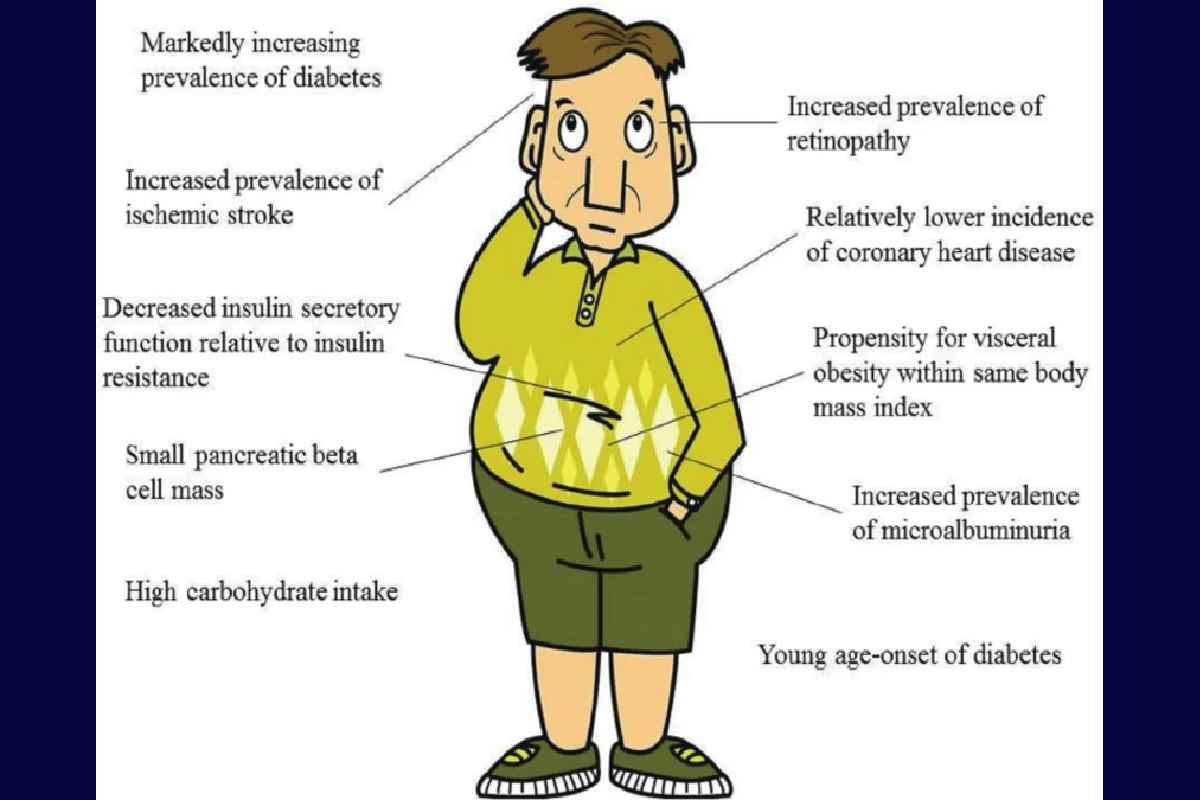
How the South Asian People Vulnerable to Diabetes
Diabetes is one of the major health problems in the world today, affecting millions of people across all age groups and regions. It is a chronic condition characterized by high levels of glucose (sugar) in the blood, which occurs either because the body does not produce enough insulin or because the body’s cells do not respond properly to insulin. Insulin is a hormone produced by the pancreas that helps regulate blood sugar levels by allowing glucose to enter the cells and be used for energy.
There are three main types of diabetes: Type 1, Type 2, and gestational diabetes. Type 1 diabetes is an autoimmune condition in which the body’s immune system attacks and destroys the insulin-producing cells in the pancreas. This type usually develops in childhood or adolescence and requires lifelong insulin therapy. Type 2 diabetes, the most common form, typically develops in adults, although it increasingly affects younger people due to rising obesity rates and sedentary lifestyles. In Type 2 diabetes, the body either resists the effects of insulin or does not produce enough insulin to maintain normal blood sugar levels. Gestational diabetes occurs during pregnancy and usually resolves after childbirth, but it increases the risk of developing Type 2 diabetes later in life.
Risk Factors of Diabetes
In this case South Asian (Bangladesh, Sri Lanka, Pakistan, Nepal etc) are at a higher risk of developing type 2 diabetes than many other ethnic group. There are some factors that become epidemic of Diabetes in South Asian countries. Those factors are:
Genetic Susceptibility
South Asian may have a greater genetic predisposition to insulin resistance and impaired insulin secretion. A family history of diabetes further increases the risk. Consequently diabetes can develop at a younger age and at a lower body mass index.
Higher Body Fat Despite Lower BMI
South Asian tends to have a higher percentage of body fat and more abdominal fat than some other ethnic groups at the same BMI. Excess abdominal fat contributes to insulin resistance, meaning the body cell respond less effectively to insulin. This makes harder to maintain normal blood glucose levels.
Dietary Habits
South Asian people love to eat large amount of carbohydrates for example rice, white breads and refined flour products. They have also habit to eat and drink sugar containing drinks and fried foods. Those can increase the risk of weight gain and metabolic dysfunction. It also vulnerable to affect for Diabetes.
Physical Inactivity
South Asian countries are developing urbanization and lifestyle development. These kind of changes reduced the physical activity. Sedentary occupations, motorized transportation, and limited opportunities for exercise can contribute to abdominal obesity and insulin resistance. Regular physical activity helps muscles use glucose more effectively and reduces the risk of type 2 diabetes.
Low Birth Weight and Early Life Nutrition
Low birth weight and poor nutrition during pregnancy or early childhood may affect the development of the pancreas, insulin-producing beta cells, and metabolic regulation. When combined with excessive weight gain and unhealthy lifestyles later in life, these early-life factors may increase the risk of type 2 diabetes.
Socioeconomic and Environmental Factor
Rapid urbanization, limited access to healthy foods, long working hours, financial constraints, and inadequate health education can make diabetes prevention difficult. In some communities, limited screening and delayed diagnosis also allow blood glucose levels to remain uncontrolled for long periods.
Prevalence Records of Diabetes
According to National Library of Medicine, a research shows that 150 Indians in the MASALA study, 43 had type 2 diabetes, 56 had pre-diabetes and the remaining had normal glucose tolerance. A report from International Diabetes Federation shows Diabetes will increase by 73% (reaching 185 million) by 2050 in South Asian Region. It is much alarming situation.
Prevention and Awareness
South Asian people can reduce the risk of Diabetes by changing the lifestyle habits. Those are:
· Eat balanced meals with vegetables, whole grains, legumes, and adequate protein.
· Reduce sugary drinks, sweets, and excessive portions of refined carbohydrates.
· Perform at least 150 minutes of moderate physical activity per week, where medically appropriate.
· Maintain a healthy waist circumference and body weight.
· Undergo regular blood glucose or HbA1c testing, particularly with a family history of diabetes or other risk factors.
Conclusion
South Asians are particularly vulnerable to type 2 diabetes because of a combination of genetic susceptibility, greater body fat at lower BMI, abdominal fat accumulation, reduced muscle mass, dietary changes, physical inactivity, and early-life influences. These factors can lead to insulin resistance and impaired insulin production, causing diabetes to develop at a younger age. Early screening and culturally appropriate lifestyle interventions are essential to reduce the growing burden of diabetes in South Asia.
Name: S. M. M. MUSABBIR UDDIN
Session: 2020-21
UNIVERSAL MEDICAL COLLEGE
