
Timely agricultural assistance can prevent manageable shocks from becoming entrenched humanitarian emergencies
When disaster strikes, the world rushes to save lives and too often forgets the fields that feed them. Acting early to safeguard agrifood systems helps prevent hunger and repeated displacement, and it reduces the need for much larger humanitarian interventions later.
Natural disasters, climate shocks, conflict and displacement are no longer isolated events. Increasingly, they strike at the same time and create cascading humanitarian crises. Conflict in the Middle East continues to deepen food insecurity across Asia and the Pacific by raising energy costs and disrupting supply chains. Meanwhile, droughts, floods and other extreme weather events are becoming more frequent and severe.
These overlapping crises demand a different humanitarian response: one that is proactive, meets immediate needs and equips people with the knowledge and resources to recover. This means getting seeds, fertilizer, and knowledge to farmers in time to plant, while protecting land, equipment and resources that communities need to grow food and make an income. Acting early in these practical ways saves lives. It also restores dignity, self-reliance and hope.
Myanmar and Bangladesh show why this approach matters. In both countries, the Food and Agriculture Organization of the United Nations (FAO) is delivering emergency agricultural assistance with support from humanitarian funds that channel resources to locally identified priorities, helping communities withstand crises before they deepen.
In Myanmar, farmers face a devastating convergence of climate shocks, protracted conflict, displacement, market disruption and economic instability. These combined pressures severely undermine food production. When farmers cannot safely access their land or markets, they lose income and the means to feed their families. Insecurity also disrupts supply chains and limits the delivery of agricultural assistance. It also drives up the cost of essential inputs like fuel and fertilizer. Agriculture employs around 70 percent of Myanmar's population. Yet some 16.7 million people – 30 percent of the population – now face high levels of acute food insecurity. Many of the country's 3.6 million internally displaced people come from farming communities.
With support from the Myanmar Humanitarian Fund, FAO has delivered urgent assistance to help conflict-affected households meet immediate needs while protecting and restoring food production. In some of the country's most food-insecure regions, vulnerable farming households received quality seeds, emergency agricultural inputs, technical support and practical training to help them continue producing food. This support helps them meet their own food needs and avoid harmful coping strategies such as skipping meals.
Crucially, this assistance arrived in time for the monsoon planting season. In agriculture, timing can save lives. A missed planting window often means a missed harvest. In an area affected by conflict or vulnerable to climate shocks, that lost harvest can quickly become a much larger humanitarian crisis. Each missed planting season compounds the next.
Bangladesh faces a different but equally urgent challenge. Here, too, acting before predictable seasonal hazards protects people and the environment they depend on. Cyclones and floods regularly destroy crops, disrupt livelihoods and destabilize agrifood systems.
In Cox's Bazar, more than one million Rohingya live in the world’s largest refugee camps, which is also one of the world's most climate-exposed environments. Deforested hillsides, high population density, monsoon rains and increasingly extreme weather create life-threatening conditions in the camps. Since 2017, the camps have recorded 3,452 environmental incidents, including landslides, floods and erosion. These incidents have caused deaths and injuries and destroyed homes and community assets.
With support from the Bangladesh Humanitarian Fund, FAO is implementing nature-based interventions before seasonal hazards strike. The work protects lives, shelters and local infrastructure. Approximately 170 hectares of high-risk slopes across 15 camps are being stabilized through cash-for-work programmes that provide income to refugee households. These measures help protect more than 45,000 refugees from life-threatening, monsoon-driven landslides.
These interventions are also a sound investment. Globally, every USD 1 invested in ecosystem restoration is estimated to generate between USD 7 and USD 30 in economic benefits. At the same time, they reduce disaster risk, protect communities and provide vulnerable households with life-saving income.
The lesson from both Myanmar and Bangladesh is clear: acting before a predictable seasonal hazard or planting deadline protects people and the productive assets and environment they depend on. Protecting these foundations early can prevent one crisis from triggering another. A destroyed hillside, a missed planting season, a lost fishing net or the forced sale of a family's assets can quickly push vulnerable households into hunger and dependence.
In Cox's Bazar, FAO's work builds on more than 3,500 hectares of slope stabilization completed since 2018. This provides an operational foundation for rapid, targeted action. In Myanmar, established local partnerships and delivery systems helps assistance reach communities despite insecurity and access constraints. In both settings, preparedness, speed and accountability can mean the difference between resilience and preventable human suffering.
The world cannot afford to wait until crises have fully unfolded, or to distribute food only after people have lost the means to feed themselves. A more effective humanitarian model must protect food production and livelihoods from the outset. It must recognize the protection of agrifood systems as an integral part of emergency response, act before predictable hazards claim lives, and treat agricultural recovery as central to humanitarian action – not merely as a post-crisis activity.
We have the tools and operational experience. What we need now is the political will and sustained financial commitment to deploy them at the scale and speed that today's cascading crises demand.
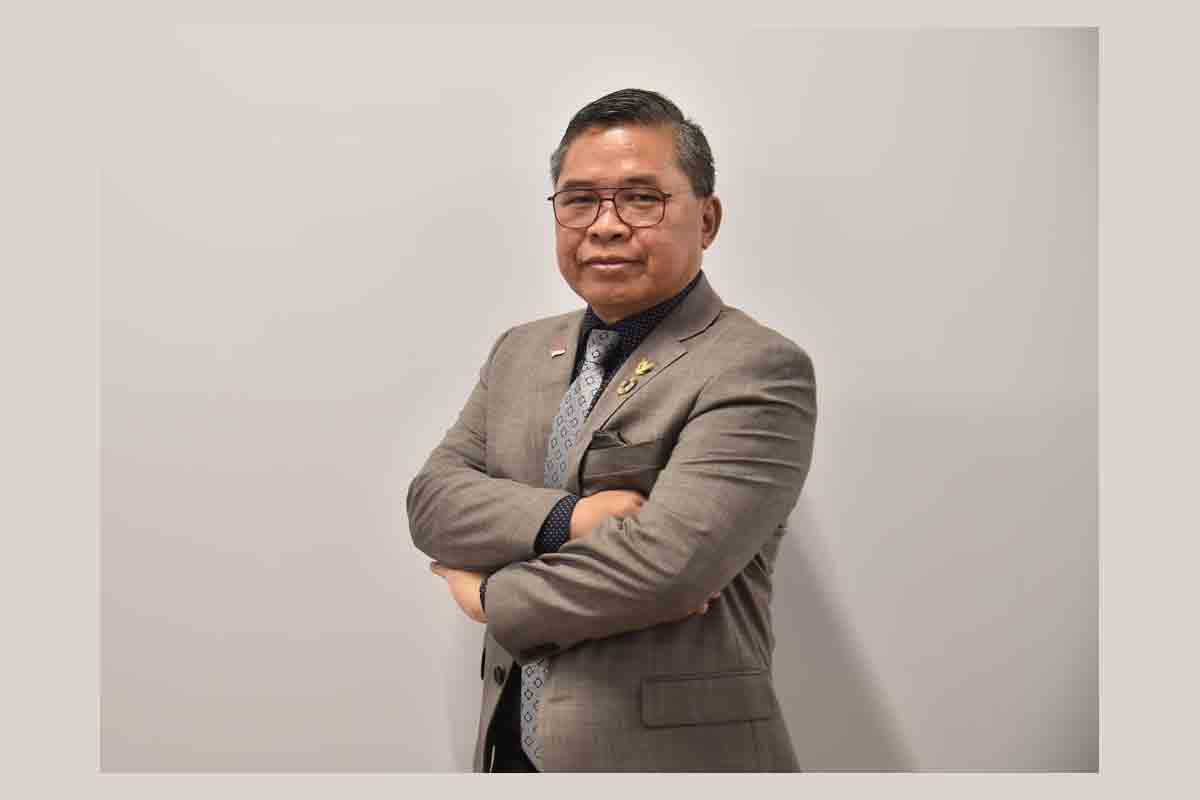
Alue Dohong is FAO Assistant Director-General and Regional Representative for Asia and the Pacific.
