
Embryonic Shifts Brings Art, Science and Technology Together in Dhaka
Dhaka, August 22, 2026: Embryonic Shifts (Rupantor), a multidisciplinary art and science project exploring perception, identity and diversity in nature, was unveiled on August 22 at SHALA Neighbourhood Art Space, Aloki.
The exhibition will remain open until August 29, from 1:00 PM to 9:00 PM daily, with admission free for all.
Supported by the British Council through the WOW (Women of the World) Bangladesh 2026 programme, Embryonic Shifts brings together art, science, engineering and technology to explore the complex spectrum of diversity found in nature.
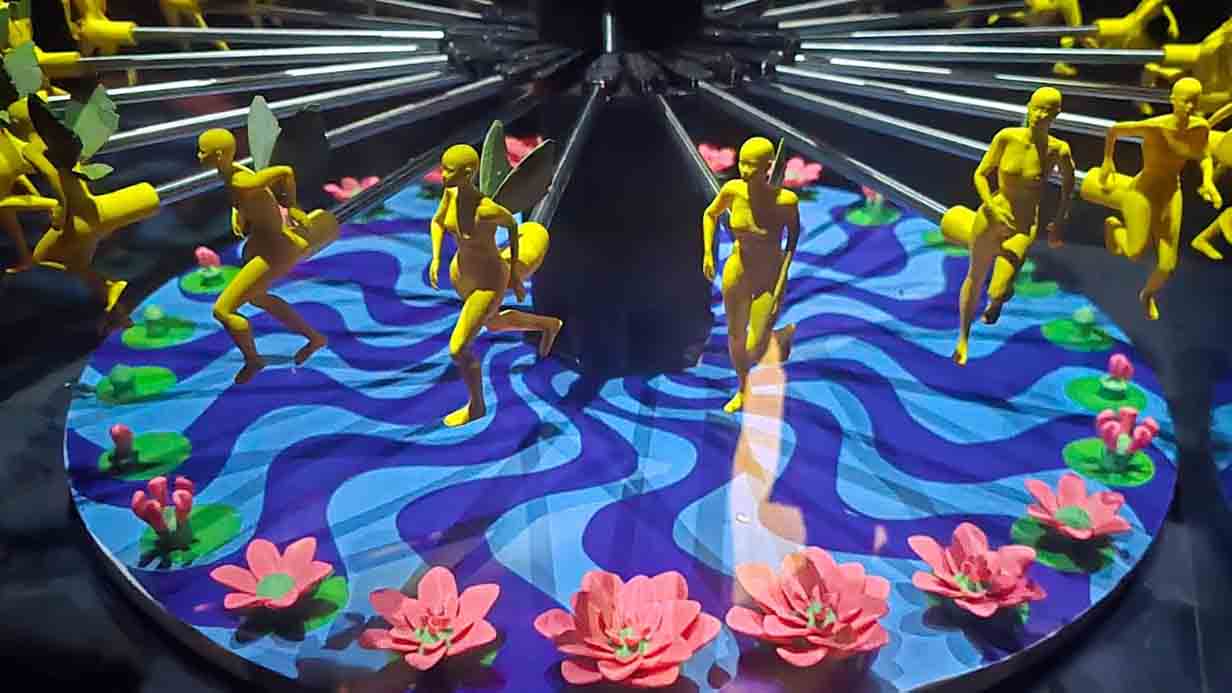
The project grew from an artistic practice focused on the persistence of vision and combines fine arts with technical engineering through flickering light, movement, mechanics and probability. At its centre is a large-scale zoetrope, a rotating mechanical sculpture that creates visual illusions through the interaction of light and motion.
Through community engagement with young people from Korail, extensive research and detailed craftsmanship, the project translates cellular processes and embryonic development into visual narratives.
Rather than relying on technical academic language, the installation presents evidence-based scientific concepts through accessible and imaginative visual storytelling. It seeks to make science more engaging while challenging preconceived ideas about identity and diversity and encouraging greater empathy.
Speaking on the occasion, Maarya Rehman, Deputy Director of the British Council Bangladesh, said Embryonic Shifts demonstrates how art, science and technology can challenge perceptions and create new ways of understanding the world.
She said the project’s exploration of identity and diversity reflects the values of the Women of the World programme by creating spaces where different voices, perspectives and experiences can be seen, heard and valued.
“Through WOW Bangladesh 2026, the British Council is proud to support artists and creative practitioners who are pushing boundaries, creating opportunities for women, girls, and young people to participate and lead, and bringing new perspectives to the future of their communities,” she said.
She added that the exhibition demonstrates how interdisciplinary collaboration can make knowledge more accessible, spark curiosity and create more inclusive opportunities for creativity and innovation.
The project is led by interdisciplinary artist and animator Saiq’a Shabnam Chowdhury, who developed its narrative and visual design, and Samiul Hoque, a Fab Academy alumnus, who oversees the mechanics and physical fabrication.
The creators expressed gratitude to MACHAAN, PARAA and SHALA Neighbourhood Art Space for their support in bringing the project to life.
Designed as a space for both reflection and discovery, Embryonic Shifts offers visitors an opportunity to experience the intersection of science, culture and shared humanity through an immersive artistic environment.
